
Add Row
Add Element
cropper
update
Carolinas Healthy Living
update
Add Element
  • Home
  • Categories
    • Featured
    • Self-Heal Strategies
    • Alternative Health
    • Virtual Healing
    • Health Products
    • Behind the Practice
    • Wellness Travel
    • Community Health
    • Financial Wellness
October 18.2025
3 Minutes Read

Discover How Chicken Soup Can Boost Your Immune System Today

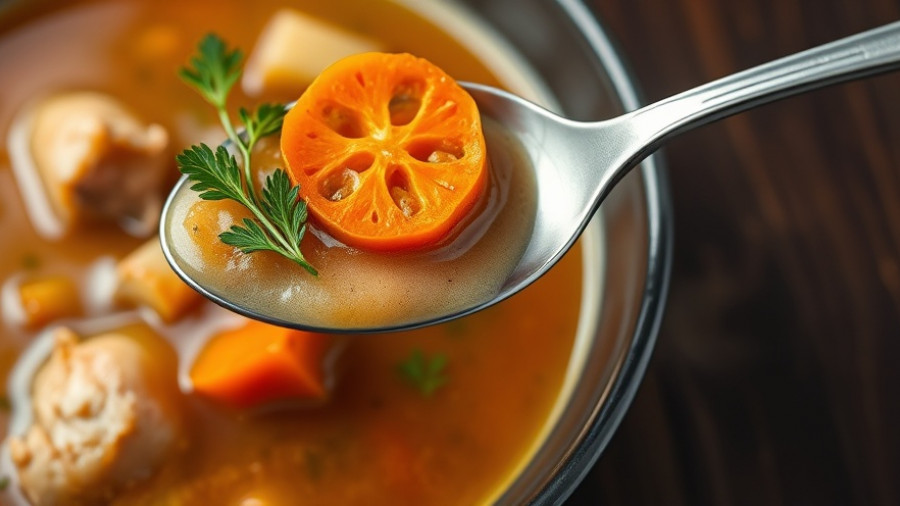
Chicken Soup Immune System Boost with carrot on spoon.

Chicken Soup: A Time-Honored Remedy for Boosting Immunity

When you catch a cold or the flu, chicken soup often becomes your go-to comfort food. But beyond its soothing warmth and savory taste, scientific studies reveal that chicken soup can significantly support your immune system. Several key ingredients in this classic dish provide therapeutic benefits, especially during cold and flu season.

The Science Behind Chicken Soup’s Immune-Boosting Properties

Research indicates that chicken soup might enhance your body’s defense mechanisms by affecting immune cell activity. Specifically, it slows the movement of neutrophils, a type of white blood cell crucial for fighting infections. When neutrophils are concentrated in inflamed areas of the body, they can effectively combat illness. Thus, consuming chicken soup not only alleviates cold symptoms but also aids recovery.

Key Ingredients That Help Support Immunity

Chicken soup is packed with essential nutrients. Vitamins A and C, for example, are well-known for their antioxidant properties, helping the body fend off infections. Additionally, the protein from the chicken flesh provides amino acids necessary for producing antibodies, which are vital for fighting off pathogens. The presence of carbohydrates in noodles or rice adds a comforting, easily digestible source of energy that keeps you feeling full.

More than just nutrients, chicken soup contains electrolytes such as sodium and potassium that can help maintain hydration, particularly important if you have a fever. This makes chicken soup not only nourishing but also hydrating.

Decoding the Nutritional Benefits of Chicken Soup

According to a study featured in the journal of alternative medicine, homemade chicken soup is especially beneficial compared to commercially packaged varieties. Homemade soup allows for greater control over the ingredients, ensuring you can incorporate fresh vegetables and herbs, which are rich in nutrients and flavor.

For maximum benefit, opt for chicken soup that contains diverse vegetables, such as carrots, celery, or onions. Not only do they add flavor, but they also pack numerous vitamins and minerals. If you prefer a quicker option, many brands offer good-quality pre-made chicken soups, but always check the labels for high sodium and preservatives.

Creating Your Immune-Boosting Chicken Soup

If you're inspired to try your hand at making chicken soup, here's a simple and heartwarming recipe to follow:

Homemade Chicken Soup Recipe
  • 1 (3-pound) whole chicken
  • 4 medium carrots, halved
  • 4 celery stalks, halved
  • 1 large onion, halved
  • Water to cover
  • Salt and pepper to taste
  • 1 teaspoon chicken bouillon granules

Put the chicken, carrots, celery, and onion into a large soup pot and cover it with cold water. Allow it to simmer until the chicken is tender. Then, strain the broth, and season to taste with salt, pepper, and bouillon. Reintroduce the shredded chicken and vegetables to the broth to serve hot.

Conclusion: A Taste of Comfort and Health

While chicken soup alone won’t cure an illness, it undoubtedly provides nourishing health benefits that contribute to a faster recovery. It's a comforting reminder of home and healing—a time-honored remedy seasoned with care and tradition. Next time you feel under the weather, consider warming a bowl of chicken soup to help you feel better both physically and emotionally.

Alternative Health

0 Views

0 Comments

Write A Comment

*
*
Related Posts All Posts
12.14.2025

Delightful Holiday Brunch Ideas: Make Hosting Effortless and Fun

Update The Joy of Brunch: A Less Formal Celebration Gathering friends and family for a meal can be a daunting task, particularly during the hectic holiday season. However, hosting a brunch offers a simple yet delightful alternative to the traditional dinner party. Brunch, positioned conveniently between breakfast and lunch, allows for a casual atmosphere that encourages interaction and creativity without the constraints of a formal event. Creative Decor Ideas to Delight Your Guests An impressive brunch begins with an inviting table setting. Think outside the box: use tartlet tins for serving or repurpose vases for flowers and herbs. This not only adds charm but also sparks conversation among your guests. Incorporating fresh flowers and colorful produce into your decor can enhance the table’s appeal. A beautifully arranged fruit bowl, for example, can serve as both a centerpiece and a fresh side dish. Diverse Dishes for Every Palate An essential tip for a successful brunch is to curate a menu that combines both sweet and savory options. This variety caters to different preferences and dietary needs. Communication is key—understanding your guests’ tastes will help in planning your menu. Select a few recipes that can be prepped ahead, such as pastries or quiches, allowing you to focus on freshly made items, like a flavorful herbed Spanish omelet, on the day of the event. Effortless Buffet Style Serving brunch buffet-style encourages guests to help themselves, creating a relaxed setting. This arrangement allows for more mingling and gives people the freedom to customize their plates to their liking. Consider themed stations, such as a mimosa bar or a pancake station, which can enhance the brunch experience and add an element of fun for all ages. Easy-to-Make Recipes Everyone Will Love One standout recipe that can bring excitement to your brunch table is the Herbed Spanish Omelet. With ingredients like eggs, potatoes, and fresh herbs, it’s not only delicious but also healthy. Each serving is packed with protein and essential nutrients, making it a filling choice for guests. To make things easier, you could prepare some of the components the night before and cook the omelet fresh in the morning, ensuring its fluffiness doesn't disappear. Building Lasting Traditions The beauty of hosting a brunch isn’t just in the food; it lies in the memories created. This gathering can become a cherished tradition, echoing the experiences families create together. Whether it’s the kids helping in the kitchen or your friends reminiscing about past gatherings, these moments enhance the value of being together. Getting Inspired: Explore More Ideas! For more brunch ideas, including themed recipes like smoked salmon bagel bars and sweet treats such as lemon raspberry yogurt cakes, you can check out other engaging content online. These resources not only provide delicious recipes but also inspire creativity in your hosting approaches, ensuring that every gathering is uniquely memorable.

12.14.2025

Can Tea Strengthen Bones While Heavy Coffee Weakens Them?

Update How Your Daily Brew Influences Bone Health Recent research from Flinders University reveals that tea and coffee, two beloved beverages enjoyed by billions, have surprising effects on bone health, particularly in older women. A decade-long study involving nearly 10,000 women aged 65 and older has shown a connection between these daily drinks and changes in bone mineral density (BMD), a critical factor in understanding osteoporosis risk. Tea: A Gentle Friend for Your Bones The study highlights that women who regularly drank tea exhibited slightly higher total hip BMD compared to those who did not partake. Though the improvement was modest, it is statistically significant—translating into potential health benefits for a large population. "Even small improvements in bone density can translate into fewer fractures across large groups," states Associate Professor Enwu Liu, reinforcing the importance of this simple daily habit. Coffee's Complicated Relationship with Bone Density On the other hand, coffee's story is a bit more complex. While moderate consumption (around 2-3 cups a day) poses no harm, exceeding five cups is linked to lower BMD. Interestingly, the study identified women with higher alcohol consumption as being particularly at risk from excessive coffeeing. In contrast, moderate coffee drinkers need not worry, but it's wise to enjoy that extra cup in moderation. What’s Brewing in the Science? Notably, the findings suggest that the catechins found in tea may support bone formation and slow down bone loss, potentially explaining its health benefits. This contrasts with coffee, where caffeine can interfere with calcium absorption—though this can be mitigated by adding milk. Thus, the beverage selection may play a crucial role in promoting stronger bones as we age. Simple Steps for Elderly Women As we age, embracing healthy habits becomes essential. The research suggests that integrating a daily cup of tea into a routine could be a straightforward and beneficial way to support bone health. Incorporating calcium-rich foods and engaging in weight-bearing exercises, in conjunction with mindful beverage choices, creates a holistic approach to wellness. Small Changes, Big Impact The implications of this study are clear: small dietary changes can have significant long-term effects. With osteoporosis affecting one in three women over 50, making informed choices about drink intake could contribute to better health outcomes in populations worldwide. Next time you reach for a drink, remember that your choice might be making a difference in your health long-term. Consider adding that cup of tea into your day—it's a small step towards stronger bones!

12.14.2025

Discover How Potatoes Can Boost Heart Health When Prepared Right

Update Are Potatoes a Hidden Gem for Heart Health? When it comes to heart-healthy foods, potatoes often find themselves in a controversial position. Known for their comforting nature, they are often dismissed as mere starch, overshadowed by health staples like greens and lean proteins. However, many nutrition experts advocate for the potato's rightful place in a well-rounded diet, particularly when prepared correctly. February, marked as American Heart Month, offers the perfect opportunity to explore the nutritional benefits of this beloved vegetable. The Nutritional Powerhouse of Potatoes Potatoes aren’t just tasty; they are naturally free of fat and cholesterol while being packed with essential nutrients. A medium-sized potato contains significant amounts of potassium, vitamin C, fiber, and modest plant-based protein. According to research, a single medium potato provides 620 mg of potassium, which helps regulate blood pressure and reduce the risk of stroke—both critical factors in promoting cardiovascular health. The American Heart Association underscores the importance of foods high in potassium to combat the effects of sodium in our diets. Cooking Techniques That Make a Difference How we cook potatoes matters immensely. Traditional preparations, such as baking or boiling, generally preserve their nutrients far better than frying, which adds unhealthy fats and calories. Experts recommend roasting or steaming potatoes, as these methods help maintain their beneficial compounds, including phenolics that combat inflammation. Additionally, keeping the skin on maximizes the fiber content, offering further health benefits. Heart-Healthy Recipes to Try To truly reap the benefits of potatoes, incorporating them into appealing recipes can make them a staple of your heart-healthy diet. For example, the Southwest Potato Power Bowl combines baked potatoes with quinoa, black beans, and fresh vegetables, creating a vibrant and nutritious meal. Alternatively, red potato taquitos stuffed with wholesome ingredients offer a hearty snack option without compromising health. These recipes highlight potatoes as a versatile ingredient that can add both flavor and nutrition to your meals. Understanding Potatoes in the Modern Diet Despite their nutritional benefits, potatoes often receive unfair criticism due to associations with unhealthy preparations, like fries or loaded baked varieties. However, a study highlighted by the American Heart Association demonstrated that plain baked or steamed potatoes do not negatively affect cardiometabolic factors compared to refined grains. This challenges the harsh scrutiny often placed on this humble vegetable. It suggests that in the context of a balanced diet, potatoes can indeed support overall health. Taking Action: Integrating Potatoes into Your Heart-Healthy Lifestyle As we reflect on heart health this American Heart Month, it's crucial to reconsider the role potatoes can play in our diets. By embracing wholesome cooking methods and preparing creative dishes, we can enjoy potatoes without the guilt. Remember, moderation and mindful preparation are key. Let’s celebrate the nutrient-dense potato for its potential to support cardiovascular health and embrace it as a valuable addition to our grocery lists.

Terms of Service

Privacy Policy

Core Modal Title

Sorry, no results found

You Might Find These Articles Interesting

T
Please Check Your Email
We Will Be Following Up Shortly
*
*
*