
Add Row
Add Element
cropper
update
Carolinas Healthy Living
update
Add Element
  • Home
  • Categories
    • Featured
    • Self-Heal Strategies
    • Alternative Health
    • Virtual Healing
    • Health Products
    • Behind the Practice
    • Wellness Travel
    • Community Health
    • Financial Wellness
October 30.2025
2 Minutes Read

Discover Unique Seafood Recipes for a Memorable Thanksgiving Feast

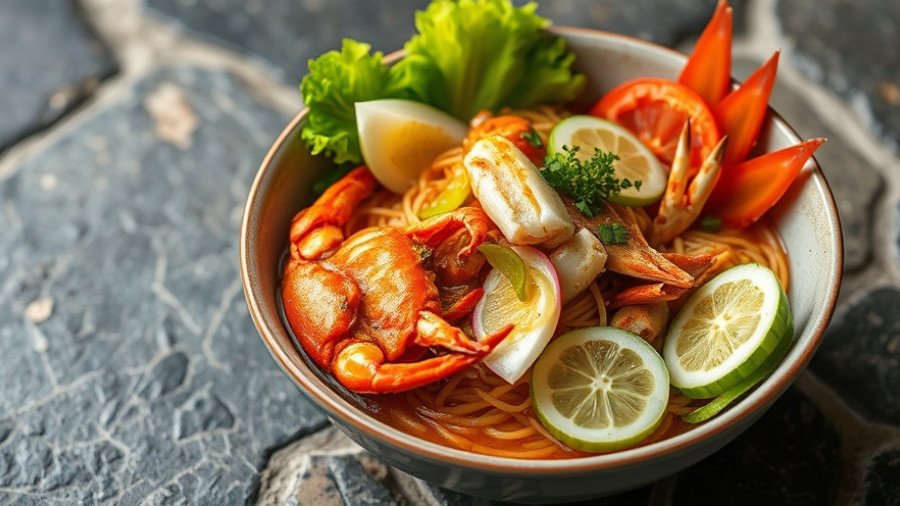
Seafood Thanksgiving recipe: colorful crab noodle dish with fresh garnishes.

Embracing a Seafood-Centric Thanksgiving

Thanksgiving is often synonymous with turkey, but many coastal families delight in flavorful seafood during this festive season. From succulent Dungeness crab to briny oysters, seafood offers a delightful alternative or complement to the holiday table. This year, why not elevate your Thanksgiving feast with an array of seafood dishes that bring a taste of the ocean right to your dining room?

Coastal Classics: Dungeness Crab and Oyster Stuffing

November marks the beginning of Dungeness crab season on the Pacific Coast, making it a fitting centerpiece for your holiday meal. One shining example is the Chile and Garlic Dungeness Crab with Garlic Noodles. This aromatic dish combines sweet and tender crab with the bold flavors of garlic, creating a mouthwatering experience that is both elegant and satisfying. Meanwhile, oyster stuffing remains a staple on Eastern tables, combining tender shellfish with savory herbs and breadcrumbs for a delicious twist on a classic recipe.

Appetizers that Awaken the Palate

Start your Thanksgiving celebration off right with easy-to-make appetizers that will delight your guests. The clam dip is perfect for holiday gatherings, offering a sweet and savory burst of flavor that pairs wonderfully with crunchy tortilla chips. Simple and ready in a jiffy, this dip is sure to make it to your regular game-day snack rotation. For something lighter, consider the Lemon Garlic Shrimp recipe. Quick to prepare, this dish can be served on its own or paired with pasta, making it a versatile addition to your appetizer spread.

Inspiration from the Sea

History has shown that seafood was once the star of the Thanksgiving table, with dishes like Oysters Rockefeller and Seafood Pot Pie taking center stage. These dishes not only provide delicious flavors but also connect us to the rich heritage of the holiday. Recipes such as the Smoked Salmon Crostinis and Seafood Risotto bring freshness and sophistication, allowing guests to enjoy a refined and memorable dining experience. By incorporating seafood, we pay homage to an era when the Pilgrims celebrated their reaping of the sea's bounty alongside their harvest.

Future Trends: Sustainability and Seafood

As Thanksgiving approaches, many are turning their attention towards sustainable living practices, and seafood fits perfectly into this narrative. Opting for local and sustainably sourced seafood not only supports environmental conservation but also provides a fresher taste to your dishes. By embracing sustainable seafood, families can enjoy a festive feast while making mindful choices for the planet.

Conclusion: A Call to Embrace Seafood This Thanksgiving

As you plan your Thanksgiving menu, consider incorporating more seafood for a unique culinary experience. With a plethora of recipes available, ranging from crab-stuffed acorn squash bites to creamy clam chowder, there’s something to please every palate. So this holiday season, step away from the ordinary and dive into the extraordinary with a seafood-filled Thanksgiving. Your guests will appreciate the thoughtful twist on tradition, and your meal will be truly unforgettable!

Alternative Health

1 Views

0 Comments

Write A Comment

*
*
Please complete the captcha to submit your comment.
Related Posts All Posts
03.27.2026

Should Men Rethink High-Dose Antioxidants? Risks to Future Generations Explored

Update Uncovering the Hidden Risks of Antioxidants for Future Generations Antioxidants have long enjoyed a reputation as health heroes, praised for their role in combating oxidative stress and preventing chronic diseases. However, recent research from Texas A&M University reveals a more complex narrative—one that suggests excessive intake of these seemingly harmless supplements might pose significant risks to future generations. The Surprising Findings of the Study In a groundbreaking study published in Frontiers in Cell and Developmental Biology, researchers led by Dr. Michael Golding discovered that high doses of specific antioxidants, particularly N-acetyl-L-cysteine (NAC) and selenium (Se), altered sperm DNA and led to noticeable changes in the craniofacial development of offspring in male mice. Even though the fathers displayed no apparent health issues, their offspring exhibited subtle yet significant variations in skull and facial structure. This shocking revelation raises questions for men who are planning to have children and may lead them to reconsider their antioxidant supplement routines. Connecting Antioxidants to Developmental Changes Dr. Golding emphasizes that while antioxidants are often seen as beneficial, the balance is crucial. Overconsumption can disrupt genetic integrity in sperm, which could subsequently affect the physical development of children. The deviations observed in the study, including closer-set eyes and smaller skulls in female mice, echo conditions associated with fetal alcohol syndrome—showing a direct link between paternal antioxidant intake and developmental outcomes. The Need for Caution It's important to note that while antioxidants are widely marketed for various health benefits, such as preventing aging and treating chronic conditions, moderation is key. The researchers call for caution, especially among men who consume high doses of antioxidant supplements without clear medical need. Dr. Golding compares health to caring for a plant: too much sun or water can lead to damage, much like excessive antioxidants can disrupt reproductive health. The message here is clear: a balanced approach to nutrition is vital for both personal health and for the next generation. Final Thoughts on Supplementation This research serves as a critical reminder that not all supplements are created equal. Just because something is marketed as beneficial does not mean that excessive intake is safe. As men contemplate fatherhood, it may be wise to reassess dietary supplements and explore natural sources of antioxidants rather than relying solely on pills. Adopting a balanced diet rich in fruits and vegetables could offer a safer alternative to high-dose antioxidants.

03.19.2026

Is Your Daily Coffee Protecting Your Brain? Insights from a 43-Year Study

Update How Your Daily Coffee May Shield Your Brain Health Your daily cup of coffee or tea could do wonders beyond just waking you up. A significant study spanning over 43 years, with participation from over 130,000 respondents, has identified that moderate consumption of caffeinated drinks is associated with an 18% lower risk of developing dementia. The Role of Caffeine in Cognitive Preservation Researchers from Mass General Brigham, alongside esteemed colleagues from Harvard, performed comprehensive evaluations that revealed a striking pattern. Those indulging in 2-3 cups of coffee daily or 1-2 cups of tea exhibited not only a reduced risk of dementia but also exhibited slower cognitive decline. This noteworthy connection highlights the potential of caffeine in bolstering long-term brain health. Insights on Aging and Dementia Prevention As we age, the risk of dementia increases, making its prevention a pressing concern. Traditional treatments for dementia provide limited solace, emphasizing the need for lifestyle modifications. Simple dietary choices, such as integrating coffee or tea into our routines, can yield health benefits that might help sustain our cognitive faculties as we grow older. Coffee and tea are rich in polyphenols and antioxidants, which can aid in combating inflammation and cellular damage, paving the way for a healthier brain. Embracing Coffee and Tea as a Healthy Habit What does this mean for coffee lovers? The study underscores the importance of enjoying your favorite caffeinated beverages without worrying about excessive intake. As stated by researcher Daniel Wang, consuming these drinks may serve as a piece of the puzzle in protecting cognitive function. Notably, even individuals predisposed to dementia seem to benefit from caffeine in similar ways, emphasizing coffee’s potential as a preventative measure. Next time you savor that cup of coffee or tea, remember it's not just a morning ritual—but a possible ally in preserving your brain health. By enriching your daily routine with these flavorful beverages, you're not only indulging in a delicious treat but also contributing to your overall health.

03.10.2026

How Lowering Parent Stress Can Combat Childhood Obesity

Update Parents' Stress: A Hidden Cause of Childhood Obesity Childhood obesity is a pressing concern in our society, with nearly 20% of children in the U.S. classified as obese. A Yale study reveals a surprising connection: parental stress plays a significant role in this epidemic. Research shows that when parents are less stressed, their children adopt healthier eating habits and enjoy a steadier weight trajectory. This insight adds a new dimension to conventional approaches that focus solely on diet and exercise. The Role of Mindfulness in Family Dynamics In a randomized trial, researchers introduced the "Parenting Mindfully for Health" (PMH) program, teaching parents mindfulness techniques alongside nutritional education. The results were telling: parents who engaged in mindfulness saw not only a decrease in their stress levels but also an improvement in positive parenting behaviors. The children in this group exhibited healthier food intake and maintained a stable weight even months after the program. Breaking Down Stress's Impact on Eating Habits Stress can lead families to default to fast food and unhealthy eating habits, particularly when parents feel overwhelmed. The Yale study showed that healthier parental behaviors, fostered through stress management, help facilitate better dietary choices in children. This creates a ripple effect, leading to improved family routines and overall dietary health. Proactive Steps for Parents and Prevention Strategies So, what can parents do? Engaging in regular mindfulness practices or stress reduction strategies is vital. From practicing yoga to setting aside quiet time for reflection, these practices can enhance not just parental health but also foster an environment where children thrive. The study emphasizes that reducing parental stress is a crucial component in the battle against childhood obesity, serving as the third leg of the prevention stool that supports healthy development. Looking Ahead: The Importance of Further Research As calls for effective childhood obesity interventions rise, the continued exploration of the relationship between parental stress and child health becomes essential. Future studies should delve into long-term outcomes of the PMH program to solidify its role in reducing obesity risk. These findings serve as a clarion call for parents, caregivers, and policymakers to rethink strategies that could safeguard future generations against the risks of obesity.

Terms of Service

Privacy Policy

Core Modal Title

Sorry, no results found

You Might Find These Articles Interesting

T
Please Check Your Email
We Will Be Following Up Shortly
*
*
*