
Add Row
Add Element
cropper
update
Carolinas Healthy Living
update
Add Element
  • Home
  • Categories
    • Featured
    • Self-Heal Strategies
    • Alternative Health
    • Virtual Healing
    • Health Products
    • Behind the Practice
    • Wellness Travel
    • Community Health
    • Financial Wellness
October 30.2025
3 Minutes Read

Elevate Your Meals With Black Rice Peas: A Delicious Powerhouse

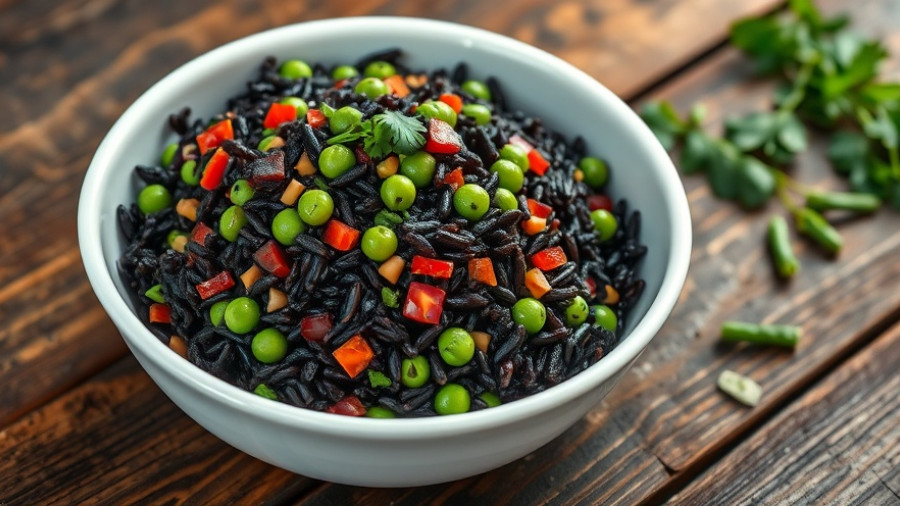
Delicious black rice peas recipe with veggies in a bowl.

Discover the Richness of Black Rice Peas

Black rice, often referred to as "forbidden rice," has captivated taste buds for centuries with its distinctive nutty flavor and health benefits. This vibrant grain is not only a treat for your palate but also a powerhouse of nutrients, making dishes like black rice and peas both nourishing and delightfully engaging. Packed with fiber and antioxidants, black rice is a delicious step towards healthy eating.

Why Black Rice is Essential for Your Health

Many health enthusiasts are turning to black rice due to its remarkable nutritional profile, which includes more protein, fiber, and iron compared to traditional brown or white rice. High in antioxidants, it supports overall wellness and can enhance your daily nutrition while maintaining low calorie counts. Coupled with sweet green peas, as seen in this recipe, black rice serves up a hearty, colorful meal perfect for lunch or dinner.

A Quick and Hearty Recipe for Any Occasion

Making black rice and peas is incredibly easy and ideal for anyone looking to add variety to their dining table without sacrificing nutrition. With just a few basic ingredients like red onion, garlic, fresh peas, and sun-dried tomatoes, you can whip up a dish that is both vibrant and fulfilling. This one-bowl meal can be served warm as a hearty side or chilled as a fresh salad, making it versatile for any occasion.

Elevate Your Dining Experience with Unique Flavors

The flavor profile of black rice brings a unique twist to standard recipes. The mixed textures and colors not only make for an appetizing dish but also provide a foundation for various interpretations. You can opt for an Asian-inspired dressing, as highlighted in some contemporary recipes, or stick to the robust flavor of Mediterranean herbs. This flexibility makes black rice a wonderful ingredient to keep on hand.

Crafting the Perfect Black Rice Peas Dish

To prepare your black rice and peas, you’ll want to start by boiling the rice to maintain its texture—a key feature that sets it apart from more common grains. Once your rice is cooked, you simply combine it with sautéed onions, garlic, and peas before adding in those delightful sun-dried tomatoes and fresh herbs. With minimal fuss, you achieve a dish that’s bursting with flavor.

Why You Should Incorporate Black Rice into Your Diet

Whether you’re vegetarian, gluten-free, or just a health-conscious eater, black rice offers something for everyone. By integrating this superfood into your meals, you’re not only enjoying a delicious product but also boosting your fiber intake, which supports gut health. Coupled with seasonal veggies, your meal stands out on both the eye and health spectrum.

Conclusion: Embrace Color and Nutrition

Incorporating black rice and peas into your kitchen repertoire helps diversify your meals while providing rich nutrients that are beneficial for your health. So why not give this colorful and robust dish a try? You’ll soon find that cooking with black rice and peas can transform your meals into exciting explorations of flavor and texture.

Black rice and peas isn’t merely a side dish; it’s a healthful choice that allows you to indulge your palate without compromising your wellness journey. Start experimenting with this nutritious grain today, and savor its wonderful array of tastes!

Alternative Health

2 Views

0 Comments

Write A Comment

*
*
Related Posts All Posts
02.17.2026

Discover How Exercise Can Be One of the Best Treatments for Depression and Anxiety

Update Exercise: A Natural Antidepressant for All Ages Depression and anxiety affect millions of people worldwide, particularly among young adults and new mothers. Recent research highlights the potential of exercise as a natural remedy—sometimes even performing better than medication or traditional therapies. Studies indicated that engaging in physical activities like running, swimming, or dancing can consistently alleviate symptoms of these mental health issues across various age groups. The Science Behind Exercise and Mental Health According to a comprehensive review published in the British Journal of Sports Medicine, exercise triggers a biological response in the body that can help uplift mood and promote mental wellness. This effect is enhanced when exercise is done in group settings, where social support can further boost emotional well-being. Exercising for as little as 150 minutes a week can produce significant improvements in mood and anxiety levels. Real-Life Benefits of Physical Activity For individuals grappling with mild to moderate depression, any activity is better than none. Simple changes, such as taking brisk walks or joining local exercise groups, can have profound effects on mental health. Research shows that low to moderate-intensity exercise can lead to increased endorphins and neurotrophic factors, which promote nerve cell growth and make new connections in the brain, especially in the hippocampus, a region crucial for mood regulation. Getting Started: Overcoming Barriers to Exercise Individuals experiencing depression may often feel too fatigued to start an exercise routine. However, experts recommend beginning with just five minutes of activity a day and gradually increasing the duration. The key lies in selecting enjoyable activities that can be sustained over time. Whether it’s yoga, cycling, or gardening, finding a personal connection to the exercise can vastly improve motivation and adherence to a fitness regimen. Looking Ahead: The Importance of Exercise in Mental Health Treatment With one in four individuals globally experiencing depression or anxiety, recognizing exercise as a valid treatment option could change the landscape of mental health care significantly. Not only does it reduce symptoms effectively, but it also fosters a sense of community and structure in lives that may feel chaotic. As more professionals advocate for integrated treatment approaches, encouraging patients to embrace physical activity could lead to holistic improvements in mental health.

02.13.2026

How ALOX15 Enzyme Determines the Impact of Omega-3 Fish Oil Supplements

Update Unveiling the Hidden Role of ALOX15 in Cancer Prevention Recent research from the University of Michigan highlights the pivotal role that a little-known enzyme, ALOX15, plays in the effectiveness of omega-3 fish oil supplements in fighting colorectal cancer. Until now, fish oil's association with health benefits, particularly its ability to combat inflammation and chronic diseases, has been widely accepted. Yet, this study reveals that not everyone may reap the benefits of fish oil supplements—genetics matters. A Key Gene in Your Supplements: ALOX15 The study discovered that the cancer-fighting properties of omega-3 fatty acids, specifically eicosapentaenoic acid (EPA) and docosahexaenoic acid (DHA), are contingent on the presence of the gene ALOX15. When ALOX15 is active, these omega-3s can help suppress colorectal cancer. Conversely, absence of this gene may lead to adverse effects, where more tumors may develop, particularly when DHA is consumed. This finding emphasizes why personalized nutrition is essential, as the same supplement can yield different outcomes based on one's genetic makeup. Fish Oil and Tumor Growth: A Surprising Link In experiments involving mice, researchers observed that fish oil might promote the growth of colon tumors in the absence of ALOX15. Mice lacking this enzyme exhibited increased tumor growth when exposed to substances that trigger colon inflammation. With ALOX15 active, EPA was shown to prevent tumor formation effectively, a crucial revelation for those relying on fish oil for cancer prevention. Formulations Matter: EPA vs. DHA Diving deeper into the study, it becomes clear that not all fish oil supplements are the same; different formulations of EPA and DHA—whether as free fatty acids, ethyl esters, or triglycerides—induce varying degrees of tumor suppression. The findings suggest that consumers should be mindful of which types of omega-3 supplements they choose, ensuring they select formulations that maximize health benefits. Practical Insights: What Does This Mean for You? This research underlines the necessity of genetic screening for individuals considering omega-3 supplementation as part of their cancer prevention strategy. Individuals may benefit from consulting healthcare professionals to understand their unique genetic profiles and select appropriate supplements that are supported by their body's enzymatic capabilities. Looking Ahead: Future Research Directions As science unravels the complexities of nutrition and genetics, future studies are warranted to explore ALOX15's role in other types of cancers and how dietary strategies can be tailored to individual genetic profiles. As awareness grows, this knowledge can empower informed choices and potentially lead to better health outcomes.

02.09.2026

Discover How Sunflower Seed Flour Turns Bread into a Powerful Nutritional Powerhouse

Update Turning Waste into Nutritional Gold In a remarkable development for sustainable food practices, scientists are harnessing the power of sunflower oil waste to create a healthier bread alternative. Researchers have discovered that using sunflower seed flour—a by-product from the sunflower oil extraction process—can significantly enhance the nutritional profile of bread while reducing environmental impact. The Nutritional Benefits of Sunflower Seed Flour Sunflower seed flour is rich in protein and essential nutrients. Studies indicate that incorporating it into traditional bread recipes can boost protein content from a mere 8% in typical bread to more than 27% when up to 60% of wheat flour is replaced with sunflower seed flour. This not only adds a substantial protein punch but also increases the dietary fiber and antioxidant levels, making the bread a healthier choice for consumers. Environmental Impact: A Step Towards Sustainability This innovation aligns perfectly with the principles of a circular economy, where waste materials are repurposed to extend their lifespan and minimize environmental degradation. Instead of being discarded, the underutilized sunflower seed flour serves a dual purpose: enriching human diets while addressing waste associated with the sunflower oil industry. As noted by biologist Leonardo Mendes de Souza Mesquita, transforming this waste into a functional food ingredient showcases a sustainable way to leverage available resources. The Future of Bread: A New Era of Healthy Options As the demand for healthier food alternatives rises, the bakery industry is encouraged to explore formulations that balance taste and health benefits. While replacing a significant portion of wheat flour may lead to changes in texture, innovations such as incorporating aqueous extracts from sunflower seeds are being tested to maintain the desirable qualities of traditional breads. Final Thoughts and Call to Action This breakthrough in bread formulation not only represents a triumph in food science but also highlights the importance of sustainable food production methods. By choosing products enriched with sunflower seed flour, consumers can contribute to a healthier lifestyle and a healthier planet. For those interested in exploring these nutritional innovations, it's time to be mindful of food choices that promote personal health and environmental well-being. Start incorporating healthier options into your diet today!

Terms of Service

Privacy Policy

Core Modal Title

Sorry, no results found

You Might Find These Articles Interesting

T
Please Check Your Email
We Will Be Following Up Shortly
*
*
*