
Add Row
Add Element
cropper
update
Carolinas Healthy Living
update
Add Element
  • Home
  • Categories
    • Featured
    • Self-Heal Strategies
    • Alternative Health
    • Virtual Healing
    • Health Products
    • Behind the Practice
    • Wellness Travel
    • Community Health
    • Financial Wellness
October 18.2025
2 Minutes Read

Essential Tips for Reducing Dust and Managing Allergies at Home

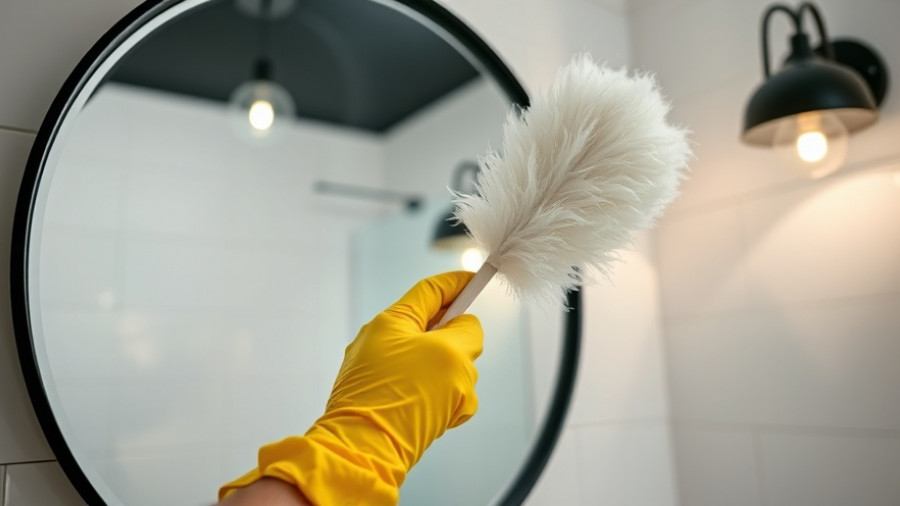
Dusting a bathroom mirror for how to keep dust down in your home.

Understanding Indoor Allergies and Their Triggers

Indoor allergies can be a constant struggle, especially during the transitional seasons when dust particles are more prevalent. This is largely due to allergens such as dust mites, pet dander, and even mold, all of which tend to proliferate in our homes. Dust mites thrive in warm, humid environments and find homes in our bedding and carpets, making it crucial to address these areas when managing allergies.

Regular Cleaning: A Key to Reducing Dust

Establishing a regular cleaning routine is essential. Frequent vacuuming with a vacuum that has a high-efficiency particulate air (HEPA) filter can significantly minimize the amount of dust and allergens in your home. Aim for a top-to-bottom cleaning approach where surfaces are wiped down with damp cloths to capture dust before it rises back into the air. By tackling rooms systematically, you ensure that no area is over-accumulating allergens, creating a more conducive atmosphere for your health.

Effective Airflow Management

Good airflow in your home can help reduce dust circulation. Consider strategically opening windows at times when pollen counts are low, and use air purifiers to filter out particles. The right indoor air quality can make a significant difference; keeping humidity levels below 50% will discourage dust mites from thriving. Installing a high-efficiency filter in your HVAC system will aid in maintaining cleaner air.

Additional Strategies for a Dust-Free Home

Another practical approach involves decluttering your space. Less clutter means fewer dust collectors. Items like unnecessary knickknacks or even heavy carpets can trap dust, making cleaning more challenging. Opt for washable throw rugs instead. Additionally, consider allergen-proof covers for bedding and regularly wash sheets in hot water to eliminate mites.

Pets and Dust: Managing Their Impact

Having pets is a joy, but they can also contribute to indoor allergens significantly. Regular grooming helps reduce dander, and it’s vital to keep their living environments clean. Using lint rollers and vacuuming pet areas frequently can greatly diminish the amount of fur and skin flakes that may enter the air.

Conclusion: A Healthier, Allergy-Free Home

Keeping dust down in your home not only alleviates allergy symptoms but also promotes a healthier living environment. Implementing these simple strategies can transform your home into a sanctuary from allergens, allowing you to enjoy the comforts of your space without the hindrance of seasonal allergies.

Community Health

1 Views

0 Comments

Write A Comment

*
*
Related Posts All Posts
12.11.2025

Essential Daily Habits for Seniors to Enhance Well-Being and Joy

Update Why Daily Habits Matter for SeniorsIn the pursuit of a fulfilling senior life, establishing daily habits is essential. Much like the body thrives on routine, consistent actions foster a sense of stability and well-being. From providing structure to improving mental clarity, daily habits can significantly enhance senior living. They can help combat common challenges like loneliness, cognitive decline, and poor health, ensuring every day is meaningful.Staying Physically ActivePhysical activity is crucial for seniors, offering a plethora of health benefits. Engaging in regular movement, such as walking or chair exercises, not only maintains mobility but also boosts mood. Research shows that even light exercises can improve balance, reduce the risk of falls, and contribute to a general sense of vitality. Such activities enable seniors to remain independent, improving their overall quality of life.The Power of Social ConnectionsLoneliness can increase the risk of depression and cognitive decline in seniors. Regular social interaction is vital for mental health, as it helps maintain a sense of belonging. Activities like joining group hobbies or sharing meals create opportunities for connection, breaking down isolation. Being part of a community can enrich life experiences, providing joy and purpose.Engaging the Mind: Learning and CreativityKeeping the brain active is just as important as physical exercise. Engaging in mentally stimulating activities like reading, puzzles, or learning a new skill fosters cognitive flexibility. In addition, exploring artistic pursuits can uncover hidden talents and passions, enhancing emotional well-being and providing a sense of achievement.Practicing Gratitude and MindfulnessMindfulness practices play a crucial role in reshaping seniors' perspectives on daily challenges. Taking time to reflect on what they are grateful for can lead to significant emotional benefits. Integrating simple practices like meditation or deep breathing enhances mental clarity, reduces anxiety, and promotes a more positive outlook on life.Concluding Thoughts: A Joyful and Fulfilling Life AwaitsAdopting these habits can create a foundation for a joyful and fulfilling senior life. Every small effort contributes to an improved sense of well-being, fostering not just independence but also a vibrant community. Embracing these changes can empower seniors to live their best lives.

12.07.2025

Essential Monthly Habits to Keep Your Home Running Smoothly

Update Monthly Habits for a Somewhat Stress-Free Home Owning a home often feels like being a ringside performer in a never-ending juggling act. Daily chores, bills, and upkeep can pile up, leaving you feeling overwhelmed. However, just a few simple monthly habits can create stability, relieve stress, and ultimately save you from dreaded financial headaches down the line. Essential HVAC Maintenance: Keep Your Air Clear Your heating and cooling system is crucial for comfort, yet many homeowners ignore the need for regular maintenance. Checking and replacing air filters every month can significantly improve air quality and reduce energy costs, making it a simple but effective way to avoid costly repairs later on. A well-maintained HVAC system can last longer and operate more effectively, reducing the likelihood of unexpected breakdowns. Inspecting Plumbing: Small Issues Can Become Big Problems Monthly plumbing checks might seem tedious but think of them as your first line of defense against water damage. A minute spent inspecting pipes for leaks or rust can save hundreds later on. Minor drips can waste gallons of water and lead to expensive fixes if neglected. Each faucet and showerhead also deserves your attention; yes, even those controlled by gentle taps. Roof Care: The Crown Jewel of Your Home Maintaining your roof is like caring for the crown of your home. Monthly inspections can protect against water infiltration and structural damage that leads to extensive repairs. Examine your roof from the ground for missing or damaged shingles, and don’t forget to keep gutters free of debris. Functional gutters minimize the risk of water pooling around your foundation, causing further issues down the line. Safety Checks: Sleeping Soundly Under a Secure Roof Home safety checks should never be overlooked. Regularly testing smoke detectors and carbon monoxide alarms can mean the difference between life and death. While it doesn’t take much time, this simple habit keeps you safer, allowing you to rest easy knowing you’ve performed a critical monthly task. Navigating the Seasonal Changes As the seasons change, so do the needs of your home. A monthly plan also allows you to anticipate seasonal tasks such as deep cleaning and landscaping. Regular attention to these areas keeps your home looking its best while also contributing to its longevity. Establishing these simple monthly habits not only keeps your home running smoothly but also gives you peace of mind by helping you catch issues before they escalate into costly disasters. Living in a well-maintained home can improve your quality of life significantly, so employ these practices to ensure all aspects of your residence thrive. Your home is your sanctuary—make it a safe and happy one!

12.07.2025

Why Urgent Care is Your Best Option for a Sprained Ankle

Update Understanding Sprained Ankles and Their Consequences Ankle sprains, often arising from sudden twists or turns during physical activities, are among the most common injuries experienced by both athletes and everyday individuals. These injuries can range from minor strains that may heal with home care to severe sprains that necessitate medical intervention. Recognizing the signs of a sprained ankle is crucial for timely treatment and recovery. Identifying the Symptoms Common signs indicating a sprained ankle include sharp pain, swelling, bruising, and difficulty in movement. Many people may experience a "pop" sound at the moment of injury, suggesting a significant degree of stress on the ligaments. In severe cases, patients could endure extreme pain that inhibits their ability to stand or walk, calling for immediate medical attention. The Role of Urgent Care in Treatment Urgent care centers serve as an efficient alternative to emergency rooms for treating non-life-threatening injuries like sprained ankles. These facilities typically provide quick assessments, X-ray services, and personalized treatment plans without the long wait times associated with ER visits. Medical professionals conduct thorough evaluations to rule out fractures and devise a suitable management plan, which may encompass resting, icing, and immobilizing the injury. Benefits of Choosing Urgent Care One of the significant advantages of urgent care clinics is their accessibility. They are often open during extended hours to accommodate patients outside regular office times. Moreover, the cost-effectiveness of urgent care services is appealing, as they frequently have lower co-pays than emergency room visits. These centers are well-equipped to manage common injuries, enabling individuals to receive the care they need, when they need it. Recovery and Follow-Up Strategies The timeline for recovering from a sprained ankle can vary significantly based on the injury's severity. Light to medium sprains may heal within a few weeks. During this period, patients are often advised to follow the RICE method: Rest, Ice, Compression, and Elevation. Once the initial swelling decreases, rehabilitation exercises are encouraged to restore strength and flexibility. When to Seek Emergency Care Understanding when to seek emergency care is also essential. If a sprained ankle appears severely deformed, showcases open wounds, or displays signs of significant circulation issues, it is paramount to consult an emergency practitioner. Prompt action in such scenarios can prevent long-term complications. Conclusion: Take Action to Heal Being informed about ankle injuries and their treatment is critical for everyone, particularly for those regularly engaging in sports or high-activity lifestyles. By choosing the right treatment path, whether through urgent care or emergency services when necessary, individuals can improve their recovery journey. Don’t let a sprained ankle sideline you; seek appropriate care and get back to your routine swiftly.

Terms of Service

Privacy Policy

Core Modal Title

Sorry, no results found

You Might Find These Articles Interesting

T
Please Check Your Email
We Will Be Following Up Shortly
*
*
*